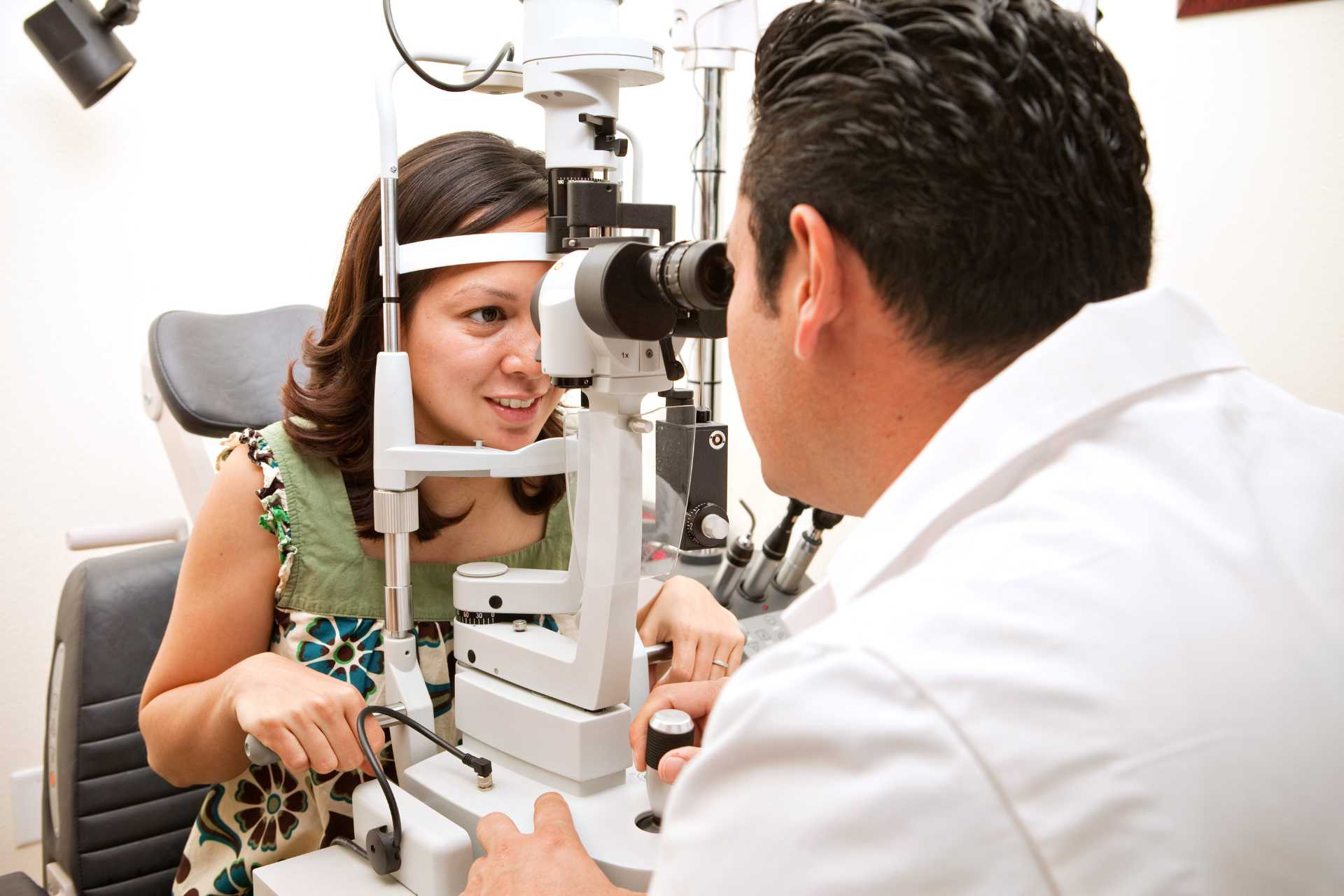



When you walk into a clinic with a persistent headache or a bout of insomnia, it is easy to focus only on the physical pain. You want a quick fix so you can get back to your busy life. However, your family doctor is trained to look far beyond the immediate symptom to understand the person sitting in front of them. They know that a headache might be caused by vision strain, which is why they might suggest a routine eye exam; however, they also recognize that it could be triggered by work stress, poor sleep, or even family dynamics. This holistic approach is what sets family medicine apart; it is about treating the human being, not just the diagnosis.
In the Canadian healthcare system, we are moving away from the idea that the body is just a collection of independent parts. We now recognize that your physical health is deeply connected to your mental well-being and your social environment. Your doctor isn’t just looking for a “broken part” to fix; they are looking for balance. By understanding your whole story, they can provide advice that actually fits your life. This perspective ensures that you aren’t just getting a temporary bandage, but a long-term plan for total wellness.
The Person Behind the Patient
In specialized medicine, a doctor might focus entirely on one organ or system. A cardiologist looks at the heart, and a dermatologist looks at the skin. While these experts are vital, the family doctor is the one who integrates all that information. They see how a heart medication might affect your mood or how a skin condition might be triggered by stress at home. They treat you as a whole person because they know that no symptom exists in a vacuum.
This “whole person” view is built on years of shared history. Because your doctor knows your background, they can provide context that a stranger would miss. For example, if they know you are grieving a loss, they will approach your complaints of fatigue differently than if you were a marathon runner. They don’t just ask “where does it hurt?” but also “what is happening in your life?” This deep understanding leads to more accurate diagnoses and more compassionate care.
The “Biopsychosocial” Model
Family medicine relies on what experts call the biopsychosocial model. This is a fancy way of saying that biology, psychology, and social factors are all equally important. Biological factors cover your genetics and physical symptoms. Your psychology then focuses on stress levels and coping mechanisms. Finally, social elements include your job, your housing, and your support system. All three of these pillars must be stable for you to be truly healthy.
When your doctor asks about your work-life balance or your support at home, they are performing a clinical assessment. They know that financial stress can manifest as physical back pain. They know that social isolation can weaken the immune system. By addressing these “non-medical” factors, they are actually practicing some of the most advanced preventative medicine available. It is about fixing the root cause rather than just silencing the symptom.
Lifestyle Medicine as a Foundation
Because family doctors focus on the long term, they are the biggest advocates for lifestyle medicine. A pill can lower your blood sugar, but a change in nutrition and movement can often reverse the trend entirely. Your doctor acts as a coach, helping you navigate the confusing world of wellness advice. They help you set realistic goals that actually work for your specific daily routine. They aren’t interested in “crash diets”; they are interested in habits that last for decades.
Lifestyle medicine also includes things like sleep hygiene and stress management. In our modern world, these are often the first things to be sacrificed. Your doctor can help you reclaim these foundations of health. They might suggest mindfulness practices or better evening routines to help you heal naturally. This approach empowers you to take control of your own health. It turns you from a passive patient into an active participant in your own wellness journey.
Integrating the Experts
One of the most important roles of a primary care physician is acting as the “integrator.” Many Canadians see multiple specialists for different conditions. Without a central hub, the advice from these specialists can sometimes be contradictory. Your family doctor reviews all the consultant notes and lab results to make sure they make sense for you. They ensure that a treatment for one issue doesn’t accidentally make another issue worse.
This oversight is crucial for your safety. It prevents medication errors and ensures that your care is coordinated. Your doctor looks at the “big picture” of your health record to see how all the pieces fit together. They are the ones who make sure that the “whole person” isn’t lost in a sea of specialized reports. This centralization of care is what makes the Canadian model so effective for long-term health.
Wellness as a Lifelong Journey
Ultimately, family medicine is about more than just reacting to illness; it is about cultivating wellness across a lifetime. Your needs in your 20s are very different from your needs in your 70s. Your doctor is the constant thread that runs through those decades. They help you navigate the transitions of life, from starting a family to managing the challenges of aging. This continuity is the “secret sauce” of a healthy life.
By treating the whole person, your doctor helps you build resilience. They provide you with the tools to handle whatever life throws your way. Whether it is a physical injury or a mental health challenge, you have a partner who knows your strength. Wellness is not a destination you reach and then stop; it is a journey that you and your doctor travel together. Show up for the conversation, and let your doctor help you see the full picture of your health.