



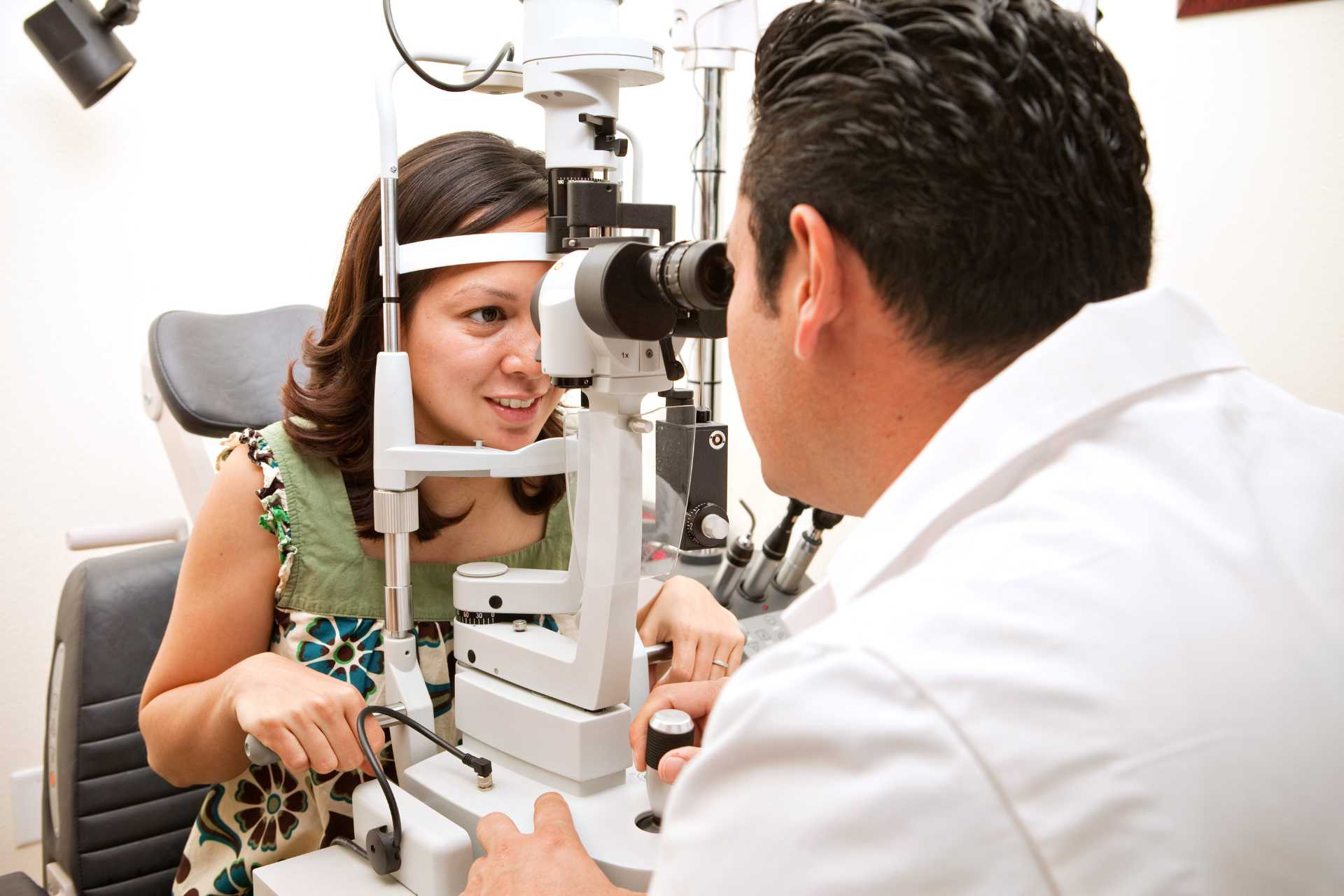
Most people assume a visit to the optometrist is strictly about updating a lens prescription or picking out new frames. While clear sight is certainly a major perk, focusing solely on visual acuity misses the bigger medical picture. Your eyes are far more than camera lenses for the brain. They offer a direct, non-invasive window into your central nervous system and vascular network. Scheduling a regular eye exam is actually one of the most effective ways to evaluate your overall physical wellness. Long before bodily symptoms appear, subtle changes inside the ocular structure can alert clinicians to underlying health issues.
Integrating vision care into your broader health routine creates a powerful defence against chronic disease. While your family doctor tracks blood pressure, orders routine lab work, and monitors general wellness during annual checkups, ocular tissue reveals unique physical data. The eyes are the only place on the human body where live blood vessels and neural pathways can be viewed directly without surgery. By looking past visual clarity to assess microvascular health, routine ocular checkups provide critical medical insights that protect both your sight and your long-term physical well-being.
The Unique Biology of the Eye: A Window into Your Vascular System
To understand why ocular health connects so closely with general medicine, it helps to examine the delicate tissues at the back of the eye. The retina relies on a dense network of tiny blood vessels to supply oxygen and nutrients to its light-sensitive cells. Because the cornea and lens are completely transparent, an eye care provider can view these microscopic capillaries directly using specialized light and magnification.
These tiny blood vessels mirror the condition of microvascular networks throughout your entire body. When systemic conditions like elevated blood sugar or high blood pressure begin damaging delicate capillaries, those changes often show up in the retina first. The same structural damage occurring behind your eyes may also be happening silently in your kidneys, heart, or brain.
- Direct Microscopic View: Eye doctors can examine arterial branching, vein wall thickness, and blood flow patterns in real time without invasive dyes or incisions.
- Neural Tissue Exposure: The optic nerve head connects directly to the brain, offering a clear view of cranial pressure and central nervous system health.
- Early Cellular Indicators: Subtle leaks, tiny hemorrhages, or lipid deposits on the retina frequently point to vascular stress long before systemic symptoms manifest.
Uncovering Silent Conditions Before Symptoms Surface
Many of the most serious chronic health conditions develop gradually over many years without causing obvious physical pain. Diseases like type 2 diabetes, chronic hypertension, and elevated cholesterol often go unnoticed during their earliest, most treatable stages. An ocular health evaluation frequently serves as the initial diagnostic trigger that prompts further medical investigation.
During a comprehensive retinal scan, an eye specialist looks for specific markers of systemic stress. For instance, tiny microaneurysms or pinpoint hemorrhages in retinal capillaries are classic early signs of diabetic retinopathy. In many cases, these microvascular changes are discovered before a patient ever experiences elevated fasting blood sugar or receives a formal diabetes diagnosis.
Similarly, unmanaged high blood pressure causes visible changes to retinal arteries. As systemic pressure climbs, the walls of these small vessels thicken, narrow, and begin crossing over veins in a distinct pattern known as AV nicking. Advanced imaging can also spot tiny cholesterol flecks, known as Hollenhorst plaques, lodged inside retinal arterioles. Finding these microscopic blockages allows clinicians to intervene quickly, significantly reducing the long-term risk of stroke or cardiovascular events.
Bridging the Gap Between Ocular Care and Primary Medicine
True preventative healthcare relies on seamless communication between different medical disciplines. An eye doctor does not replace your primary practitioner, but rather acts as an essential diagnostic partner on your care team. When an eye exam uncovers signs of vascular inflammation, fluid leakage, or optic nerve stress, the findings are shared with your primary care provider for comprehensive medical follow-up.
This collaborative approach ensures that ocular red flags lead directly to actionable medical care. Your primary clinician can order targeted blood panels, arrange cardiac workups, or adjust existing medication plans based on retinal evidence. Catching systemic shifts early helps prevent irreversible organ damage, reduces healthcare complications, and keeps your body working at its best.
Advanced Ocular Technologies Reshaping Diagnostics
Recent technological breakthroughs have transformed standard eye care into a cutting-edge diagnostic tool. Modern clinics rely on far more than manual eye charts and handheld lights to evaluate patient health. High-resolution digital imaging systems now allow providers to map interior ocular structures with extraordinary detail and precision.
Optical Coherence Tomography, commonly known as OCT, functions like a light-based ultrasound. It captures cross-sectional, 3D images of retinal layers down to the micrometer. This technology lets clinicians measure retinal thickness, track subtle fluid buildup, and spot cellular changes before they can be seen during a standard manual exam.
- Digital Retinal Photography: Creates a high-definition visual record of your retina, making it easy to track subtle vascular changes year over year.
- 3D OCT Scanning: Maps individual tissue layers to identify deep-seated swelling, macular stress, or early optic nerve damage.
- Automated Visual Field Testing: Evaluates peripheral vision sensitivity to detect subtle neurological changes caused by elevated pressure or stroke.
Protecting Your Sight and Physical Health Long-Term
Taking a proactive approach to your health means recognizing how interconnected your body systems really are. Skipping routine checkups because your vision feels fine can leave hidden health issues unchecked. Prioritizing regular ocular evaluations protects your eyesight while offering a vital layer of defence for your overall physical wellness.
Making comprehensive ocular exams a regular part of your wellness strategy ensures that subtle vascular changes are caught and addressed early. Combining advanced eye imaging with routine primary care creates a complete medical safety net. Investing time in routine checkups today safeguards your vision, protects your cardiovascular system, and supports a healthier life for years to come.