

Every autumn, communities across Canada observe Fire Prevention Week to raise awareness about fire safety and emergency readiness. While home safety drills focus on checking smoke detectors, clearing dryer vents, and planning family escape routes, industrial facilities, commercial airports, and municipal fire departments face a much larger challenge. Preparing first responders and corporate safety crews for real-world blazes requires hands-on experience under intense heat, thick smoke, and high-pressure conditions.
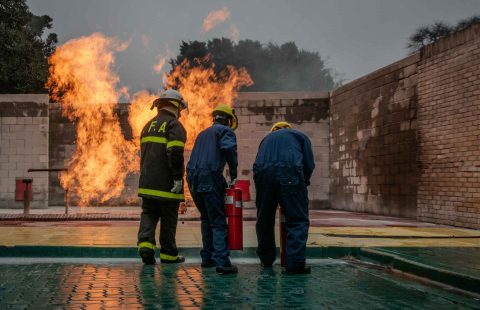
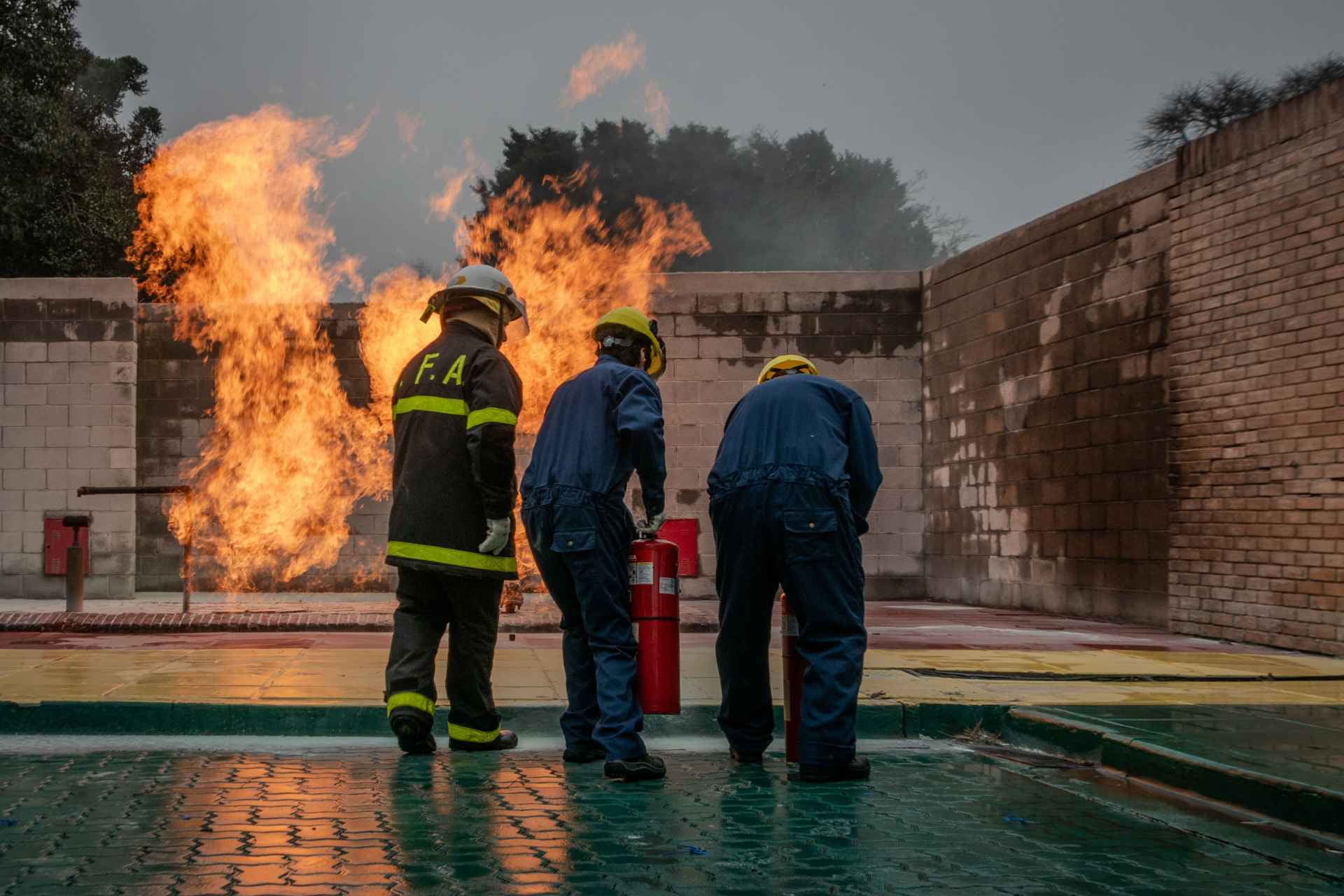
Historically, firefighters trained by lighting wooden pallets, hay bales, or rubber tires inside concrete burn buildings. While this old-school method provided real heat, it was difficult to control, created heavy toxic smoke, and presented severe environmental and health hazards for everyone involved. Today, modern emergency services rely on a clean-burning, technologically advanced Fire Training System. By using clean-burning propane gas and computerized safety controls, these state-of-the-art simulators create realistic flame scenarios that instructors can start, adjust, or extinguish at the touch of a button.
The Quick Edit
- Controlled Realism: Modern propane simulators replicate real flames, radiant heat, and rollover smoke without the dangerous unpredictability of wood fires.
- Instant Safety Shutoff: Computerized gas valves allow instructors to kill flames instantly if a trainee makes a mistake or encounters trouble.
- Eco-Friendly Compliance: Clean-burning propane systems meet strict Canadian environmental standards by eliminating toxic smoke emissions during drills.
Understanding How Live Fire Simulators Work
At the heart of a modern live fire training setup is a sophisticated network of gas supply lines, burner pans, water-cooling systems, and digital control panels. These systems run on clean liquid propane or natural gas rather than unpredictable materials. Instructors operate the setup with a wireless handheld controller. This gives them full command over the training environment from a safe distance.
During a drill, the instructor can ignite flames remotely. They can also increase fire intensity and simulate dynamic emergency hazards in real time. For example, a trainee might direct their hose stream incorrectly. The instructor can then cause the fire to flash back or roll across the ceiling. This forces the crew to adjust their technique on the spot.
Specialized props allow teams to practice on specific industrial and municipal hazards:
- Structural Props: Simulate kitchen grease fires, electrical panel flashes, bedroom blazes, or office furniture fires inside modular steel shipping containers or multi-story towers.
- Industrial & Transportation Props: Replicate jet engine fires, fuel spill blazes, high-pressure gas leaks, transformers, or vehicle engine bay fires.
- Extinguisher Trainers: Portable digital or gas-fueled pans designed for workplace safety teams, office workers, and plant employees to practice proper PASS (Pull, Aim, Squeeze, Sweep) extinguisher techniques.
5 Major Advantages of Propane Fire Training Systems
Switching from traditional wood-burning drills to gas-fueled simulators offers major operational, environmental, and financial benefits for Canadian fire departments and industrial facilities.
1. Unmatched Safety and Instant Hazard Suppression
In a traditional wood burn house, stopping a fire takes time, heavy water pressure, and significant manpower. If a trainee trips, gets disoriented, or suffers a gear failure, the fire keeps burning unchecked. With a gas-fueled system, thermal sensors and emergency shutoff valves monitor the room constantly. If temperatures exceed safe operating limits, or if an instructor presses a dead-man switch, the gas supply shuts off instantly, extinguishing the fire in seconds.
2. Environmental and Community Compliance
Lighting wood, plastics, or fuel-soaked rags creates thick black smoke that releases harmful particulate matter, carbon monoxide, and toxic carcinogens into the air. Many Canadian municipalities now enforce strict anti-burn bylaws and environmental protection standards that restrict open-burning drills. Clean-burning propane produces minimal smoke and leaves zero toxic ash behind, allowing departments to train right near residential neighbourhoods without polluting local air or contaminating groundwater.
3. Repeatable, High-Frequency Training
A wood-fueled burn structure requires hours of setup, loading, safety checks, and cleanup for just one or two drills a day. A gas-fueled simulator can run back-to-back training scenarios every few minutes. Trainees can reset the scene instantly, allowing dozens of practice runs in a single afternoon to cement muscle memory, communication protocols, and team coordination.
4. Reduced Wear and Tear on Gear and Buildings
Extreme temperatures from uncontrolled wood fires cause severe thermal degradation over time, weakening concrete walls, spalling brickwork, and scorching expensive turnout gear. Propane-fueled systems maintain precise temperature ceilings, protecting the structural integrity of the training facility and extending the lifespan of essential protective equipment.
5. Customizable Scenario Difficulty
Instructors can customize scenarios to match the exact skill level of the crew. New recruits can practice basic nozzle discipline against low-intensity flame beds, while seasoned captains can face complex, multi-stage industrial fires featuring roll-over smoke effects, high-heat zones, and sudden re-ignition events.
Built for Harsh Canadian Winters and Remote Locations
The Canadian climate presents unique challenges for emergency response equipment. Operating training equipment in sub-zero temperatures means water supply lines can freeze instantly, and sensitive electronic components can fail if not properly weatherized.
Engineers design Canadian fire training installations specifically to handle harsh seasonal conditions:
- Freeze-Proof Valving & Heated Enclosures: Gas valves and electronic manifolds are housed inside insulated, temperature-controlled cabinets to prevent freeze-ups during winter drills.
- Heavy-Duty Structural Steel: Burn chambers and exterior props are constructed from marine-grade, weather-resistant steel that withstands extreme thermal expansion and freezing ambient air without cracking.
- Mobile Modular Units: For remote mining operations, forestry camps, and northern indigenous communities, mobile trailer-mounted simulators can be towed directly to the site, delivering high-level live fire training without requiring crews to travel thousands of kilometres to major urban academies.
Integrating Simulators into Industrial Safety Audits
For commercial factories, chemical processing plants, and energy refineries, fire safety isn’t just a best practice—it is a mandatory legal requirement under provincial occupational health and safety codes. Industrial emergency response teams (ERTs) must demonstrate regular hands-on competence in suppressing fuel spills and electrical fires.
Incorporating a modern fire training system into annual safety audits allows safety managers to track measurable performance data. Digital control systems can record response times, extinguish durations, and water usage, providing clear documentation for compliance inspectors and insurance underwriters. This rigorous preparation ensures that when a real industrial emergency occurs, plant personnel act swiftly and decisively to protect lives and prevent catastrophic property loss.
Safer Training for Safer Communities
Emergency preparedness starts with effective, realistic, and repeatable training. By replacing unpredictable open fires with controllable, clean-burning fire training systems, Canadian municipalities, airports, and industrial safety teams ensure their crews are ready for any scenario. Investing in modern simulator technology keeps first responders safe during drills, protects local environments, and builds resilient communities capable of facing any emergency.