


Most people expect a health problem to announce itself clearly—a sharp ache, a lingering cough, or a fever that sends you straight to the medicine cabinet. Yet two of the most common long-term health conditions affecting adults today operate in complete silence for years. Elevated blood sugar in the prediabetic range and gradually rising arterial blood pressure rarely trigger obvious pain or alarm bells in their earliest stages. Partnering with an attentive family doctor for routine preventive checkups allows these quiet shifts to be spotted on paper long before they strain your heart, kidneys, blood vessels, or vision.
Just as an experienced custom home builder inspects a foundation carefully before framing upper floors so hidden hairline cracks never compromise the structure later, preventive primary care looks beneath the surface while you still feel completely well. Catching prediabetes and borderline blood pressure early gives you a powerful window of opportunity—often allowing simple, sustainable daily adjustments to reverse course before lifelong medications or complications ever enter the picture.
Why Prediabetes and High Blood Pressure Are Called Silent Risks
Your body is remarkably adaptable at compensating for gradual internal stress. When cells begin resisting insulin—the hormone responsible for moving glucose out of your bloodstream and into muscles for energy—your pancreas simply works harder to pump out extra insulin. For years, that extra effort keeps blood sugar levels hovering just above normal without triggering dramatic warning signs, even as excess insulin and glucose quietly irritate blood vessel linings.
Blood pressure follows a very similar hidden trajectory. As arteries gradually lose elasticity or retain slightly more fluid volume, your heart pumps with greater force to circulate blood throughout your body. Because that pressure climbs incrementally over months and years rather than overnight, your nervous system adapts to the new baseline. You can walk, work, and exercise feeling completely normal while elevated pressure steadily places extra wear on delicate arterial walls.
Subtle Early Clues That Warrant a Closer Look
Although prediabetes and borderline hypertension are famous for lacking classic symptoms, paying close attention to mild everyday patterns often reveals early hints. People sliding toward insulin resistance sometimes notice heavier energy slumps after carbohydrate-rich lunches, stronger afternoon sugar cravings, increased thirst, or slightly more frequent trips to the bathroom at night. Dermatological clues—such as small skin tags around the neck or darkened, velvety patches of skin along the back of the neck or underarms—can also reflect elevated circulating insulin.
Early blood pressure elevation occasionally whispers through dull morning headaches at the back of the head, mild lightheadedness when standing quickly, occasional ringing in the ears, or feeling unusually winded during brisk walks uphill. Because every one of those signals is easy to blame on busy schedules or poor sleep, objective screening during routine primary care visits remains the only reliable way to know where your numbers truly stand.
The Simple Screening Tools That Catch Trouble Early
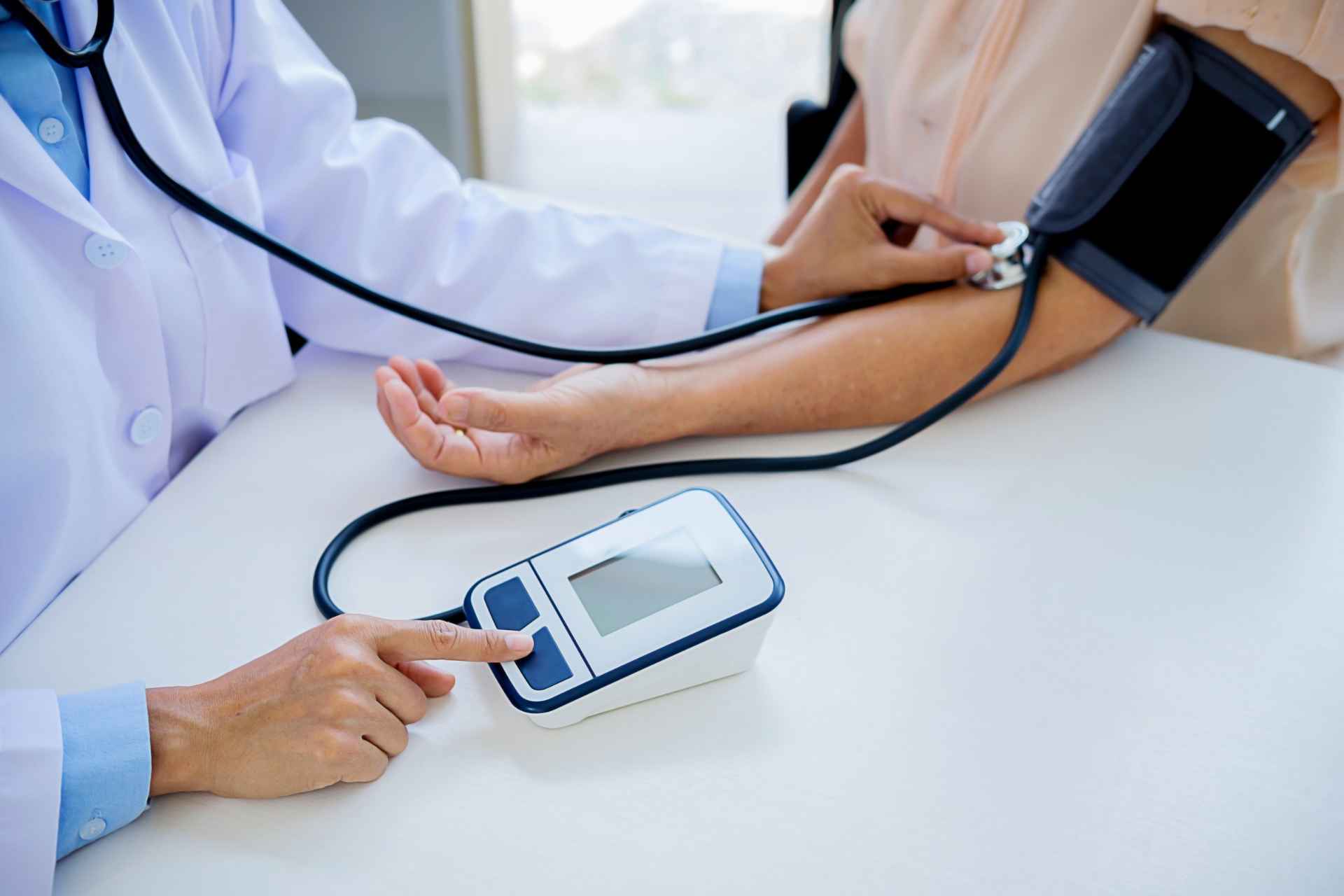
Uncovering silent metabolic and cardiovascular shifts does not require invasive procedures or complicated hospital testing. During a standard preventive appointment, a calibrated blood pressure cuff measures both systolic pressure (when your heart contracts) and diastolic pressure (when your heart rests between beats) in less than two minutes. Comparing readings across two or three separate visits—or confirming results with a validated home blood pressure monitor—eliminates white-coat nervousness and establishes your true resting baseline.
Alongside blood pressure checks, a routine fasting blood requisition gives your physician a clear metabolic snapshot. The hemoglobin A1C test measures your average blood sugar control over the preceding two to three months without needing to fast beforehand, cleanly identifying normal glucose levels, prediabetes, or early diabetes. Pairing A1C results with fasting cholesterol panels, kidney function markers, and waist-to-height measurements paints a complete picture of your cardiovascular health years ahead of trouble.
How Blood Sugar and Blood Pressure Reinforce Each Other
Prediabetes and elevated blood pressure frequently show up together because they share overlapping biological roots. Elevated circulating insulin encourages the kidneys to retain extra sodium and water while stiffening smooth muscle cells inside blood vessel walls—both of which nudge blood pressure upward. At the same time, chronic low-grade inflammation linked to excess visceral fat around the midsection interferes with normal insulin signalling.
Addressing both markers together creates a positive ripple effect. When you improve how efficiently your muscles absorb glucose after meals, circulating insulin drops, blood vessels relax more easily, and blood pressure often trends downward right alongside your A1C score.
Practical Daily Habits That Turn Numbers Around Early
Receiving a prediabetes reading or borderline blood pressure alert is not a life sentence—it is an early head start while your body is still highly responsive to change. Research consistently shows that losing even five to seven percent of body weight, if carrying extra weight around the midsection, significantly improves insulin sensitivity and lowers systolic blood pressure.
Small, repeatable habits outperform extreme crash diets every time. Taking a brisk ten- to fifteen-minute walk shortly after meals helps working muscles pull glucose directly out of the bloodstream without requiring heavy insulin surges. Building plates around lean proteins, high-fibre vegetables, legumes, berries, and healthy fats slows digestion and prevents sharp blood sugar spikes, while swapping heavily processed packaged foods for fresh whole ingredients naturally trims hidden sodium intake. Prioritizing seven to eight hours of consistent, restorative sleep also lowers nighttime stress hormones that otherwise keep morning blood sugar and blood pressure elevated.
Building an Ongoing Partnership for Long-Term Prevention
Preventive medicine works best as an ongoing conversation rather than a one-time emergency visit. Reviewing your lab paperwork side by side with your physician, asking clear questions about target ranges, and scheduling follow-up checks every three to six months turns intimidating numbers into clear, manageable milestones. With early awareness and steady support, you can protect your heart, energy, and long-term vitality long before silent symptoms ever have a chance to start.