


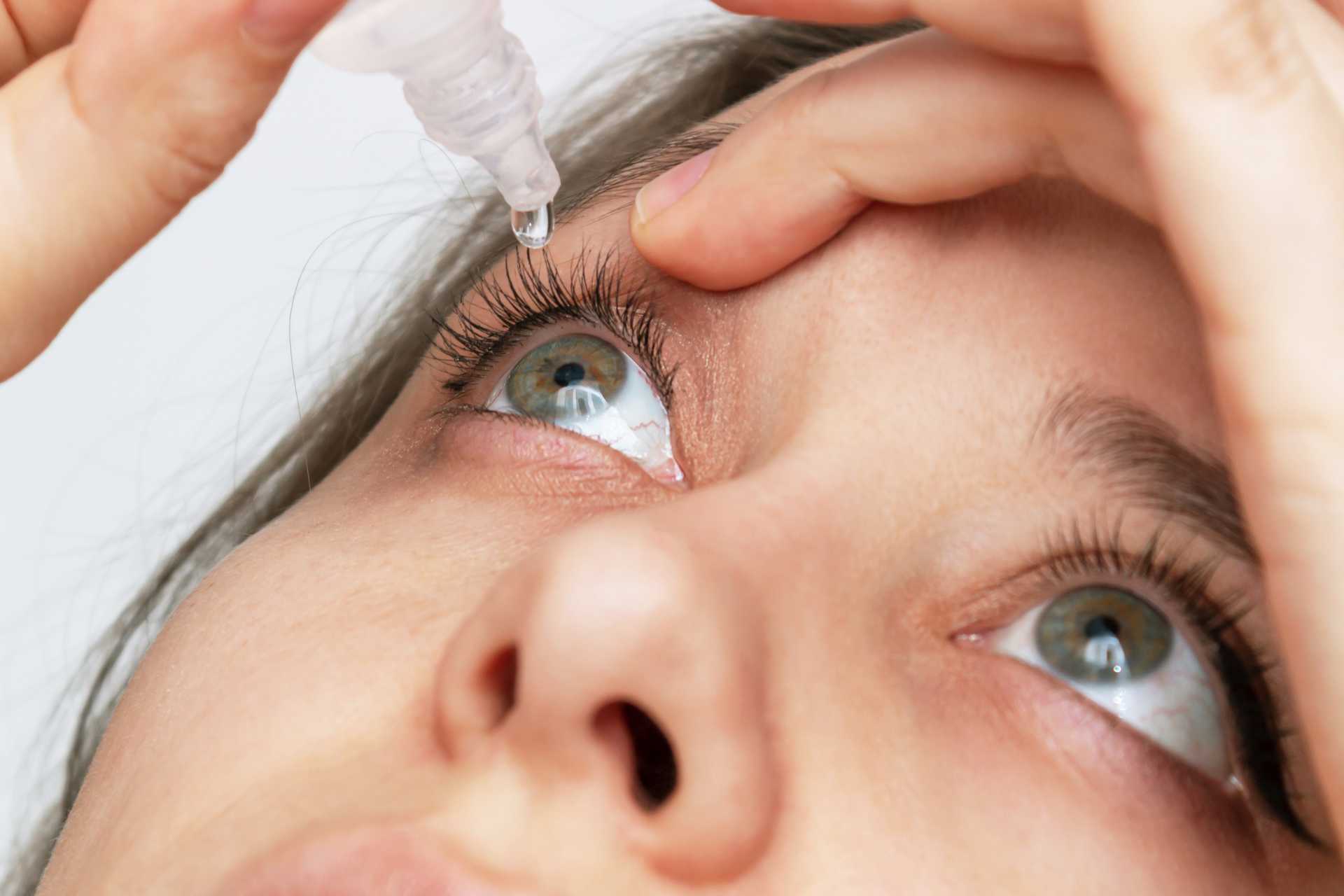
Persistent eye irritation has quickly become one of the most common health complaints among modern professionals, office workers, and remote employees. A frustrating combination of burning sensations, fluctuating vision, bloodshot scleras, and a constant gritty feeling turns routine screen work into an exhausting daily ordeal. Many people dismiss these symptoms as temporary fatigue or eye strain. However, they are frequently the hallmark signs of chronic dry eye disease. This progressive ocular condition develops when your eyes fail to produce adequate tear volume, or when the tears you generate evaporate too quickly to protect the delicate front surface of your eyes.
Environmental factors and modern digital habits combine to create a perfect storm for chronic ocular surface irritation. Staring at computers, tablets, and smartphones for hours at a time reduces your natural blink rate by as much as sixty percent. Compounding this visual stress, forced-air winter heating systems circulate warm, dry air that rapidly strips moisture right off the eye surface. Relying on basic over-the-counter lubricating drops provides fleeting relief at best, masking uncomfortable symptoms without treating the structural breakdown beneath them. Booking a comprehensive evaluation with an experienced optometrist gives you access to targeted, clinical dry eye treatment plans that restore tear film stability, soothe chronic inflammation, and protect your long-term visual health.
The Chemistry of Tears: Understanding Tear Film Breakdown
To understand why your eyes feel constantly parched, it helps to examine the delicate biochemical composition of your tears. A healthy tear film is far more complex than simple saltwater. It consists of three distinct, highly specialized layers working together to nourish and protect the cornea.
The innermost mucin layer is produced by goblet cells in the conjunctiva, helping the tear coating adhere evenly to the corneal surface. The middle aqueous layer, secreted by the main lacrimal glands, supplies vital moisture, antibodies, and oxygen to non-vascular ocular tissue. Finally, the thin outer lipid layer is produced by microscopic meibomian glands lining the upper and lower eyelids. This critical oil layer seals in moisture and prevents rapid tear evaporation.
- Aqueous Deficiency: Occurs when lacrimal glands do not produce enough watery fluid, often triggered by autoimmune conditions, medications, or natural aging.
- Evaporative Dry Eye: Accounts for the vast majority of cases, occurring when the outer lipid layer fails due to blocked or inflamed meibomian glands.
- Mixed Ocular Surface Disease: Combines both reduced tear production and rapid evaporation, requiring a multi-tiered therapeutic strategy.
Modern Triggers: Digital Screen Strain and Winter Indoors
The modern digital work environment presents unique physical challenges to human eye anatomy. When engaged in focused visual tasks—such as coding, writing reports, or analyzing spreadsheets—your brain subconsciously suppresses full, complete blinks. Instead of blinking twelve to fifteen times per minute, screen users often blink fewer than five times per minute.
Even worse, many of these blinks become incomplete, meaning the top and bottom eyelids fail to meet fully. Incomplete blinks prevent fresh oils from being squeezed out of the meibomian glands and swept across the cornea. Over time, these stagnant oils thicken inside the glands, forming stubborn blockages that cause permanent gland atrophy if left untreated.
Seasonal environmental changes further accelerate this evaporative cycle. Cold outdoor weather brings low ambient humidity, while indoor heating units continuously blow warm, moisture-starved air throughout living and working spaces. This constant draft accelerates tear evaporation, leaving exposed nerve endings on the corneal surface inflamed and hypersensitive by mid-afternoon.
The Hidden Danger of Over-the-Counter Eye Drops
When eye discomfort strikes, most individuals instinctively reach for bottle after bottle of generic artificial tears or redness-relieving drops. While plain preservative-free lubricating drops offer safe temporary comfort, heavily marketed “redness relief” formulations can actually worsen your condition over time.
Many popular decongestant drops contain vasoconstrictors—chemical agents that temporarily shrink swollen blood vessels on the surface of the eye to make them appear whiter. As these medications wear off, a severe rebound effect occurs. The blood vessels dilate wider than before, creating an addictive cycle of red, inflamed eyes that depend on constant chemical constriction.
Furthermore, using preserved artificial tears more than four times a day exposes sensitive corneal cells to chemical preservatives like benzalkonium chloride (BAK). Over time, BAK toxicity breaks down healthy surface cells, disrupting the natural mucin layer and worsening the very dryness you are trying to soothe.
Advanced In-Office Therapies: Treating the Root Cause
Modern optometric care has shifted away from temporary palliative relief toward non-invasive clinical procedures designed to rehabilitate damaged tear glands. By clearing physical blockages and calming localized tissue inflammation, these advanced therapies help your eyes produce healthy, natural tears once again.
Thermal pulsation therapy is a leading in-office procedure for evaporative dry eye caused by gland dysfunction. Specialized single-use eye applicators apply precise, gentle heat directly to the inner surfaces of the eyelids while applying soft, rhythmic pressure to the outer lids. This process safely melts hardened, waxy lipids inside the meibomian glands and expresses them outward, clearing stagnant blockages and restoring natural oil flow.
For persistent inflammation around the eyelids, Intense Pulsed Light (IPL) therapy provides exceptional long-term relief. Originally developed in dermatology, IPL uses controlled pulses of broad-spectrum light delivered along the cheeks and nasal bridge. The light energy closes abnormal blood vessels that leak inflammatory signals into the eyelid glands. Additionally, IPL reduces parasitic demodex mite populations along the lash line, stimulates cellular function, and significantly improves tear breakup time.
Comprehensive At-Home Maintenance and Ergonomic Hygiene
While modern in-office procedures perform the heavy lifting required to clear gland blockages, consistent at-home maintenance keeps your tear film performing at its best between clinical visits. Developing a clean, proactive ocular hygiene routine prevents new oil blockages from taking hold.
Applying a warm, moist eye compress for ten minutes each evening helps soften oil secretions inside the eyelid margins. Following the warm compress with a gentle eyelid cleanser—specifically formulated with dilute tea tree oil or hypochlorous acid—removes daily bacteria, skin flakes, and makeup residue that can clog gland openings.
- Workstation Ergonomics: Position desktop screens slightly below eye level and roughly twenty to twenty-six inches away from your face. Looking down slightly narrows the eyelid opening, reducing tear evaporation.
- Humidification Strategy: Place a dedicated cool-mist humidifier directly in your office space or bedroom to maintain indoor relative humidity levels between 40% and 50%.
- Dietary Omega-3 Fatty Acids: Incorporating high-quality re-esterified triglyceride (rTG) omega-3 supplements supports anti-inflammatory pathways, enhancing the fluidity and overall quality of your natural oils.
Reclaiming Visual Clarity and Everyday Comfort
Chronic dry eye disease is far more than a minor annoyance—it is a recognized medical condition that compromises your daily productivity, visual acuity, and overall quality of life. Leaving chronic surface inflammation unchecked can lead to corneal micro-scratches, increased risk of ocular infections, and irreversible meibomian gland loss over time.
By moving past temporary store-bought fixes and partnering with a dedicated eye care professional, you can access advanced diagnostic mapping, targeted clinical treatments, and tailored home care strategies. Rebalancing your tear film preserves your vision, protects your corneal health, and allows you to live and work comfortably regardless of seasonal conditions.