



The closing weeks of a Canadian property transaction can be incredibly stressful. Buyers, sellers, and lending institutions all work under tight contractual timelines. While sellers spend significant time painting walls, staging living rooms, and polishing hardwood floors to maximize their listing price, the true threats to a successful sale often sit completely out of sight. Serious structural and infrastructure liabilities frequently hide beneath the surface of the property. They remain completely ignored until a professional inspector flags them at the worst possible moment.
To protect clients from sudden closing delays, a proactive real estate agent must look beyond simple cosmetic curb appeal. One of the most critical yet frequently overlooked items of exterior infrastructure is the driveway or parking lot storm drain. If a drainage system is packed with heavy leaves, asphalt grit, and winter road salt debris, it creates a massive structural risk. Ordering a professional catch basin cleaning before listing a home is an essential strategy for smart sellers. This maintenance step removes an expensive liability from the property record, keeps the transaction moving on schedule, and prevents buyers from backing out over water management fears.
The Invisible Threat: What is a Catch Basin?
Many homeowners pull into their driveways every single day without ever noticing the heavy iron grate set into the asphalt. This grate covers the catch basin, which acts as the primary gateway for your property’s stormwater management system. When heavy rains fall or winter snowpacks melt across Canadian provinces, thousands of gallons of water rush down the grade of your driveway. The catch basin collects this runoff, drops heavy solids to the bottom of a concrete sump area, and directs the clean surface water safely out into the municipal storm system.
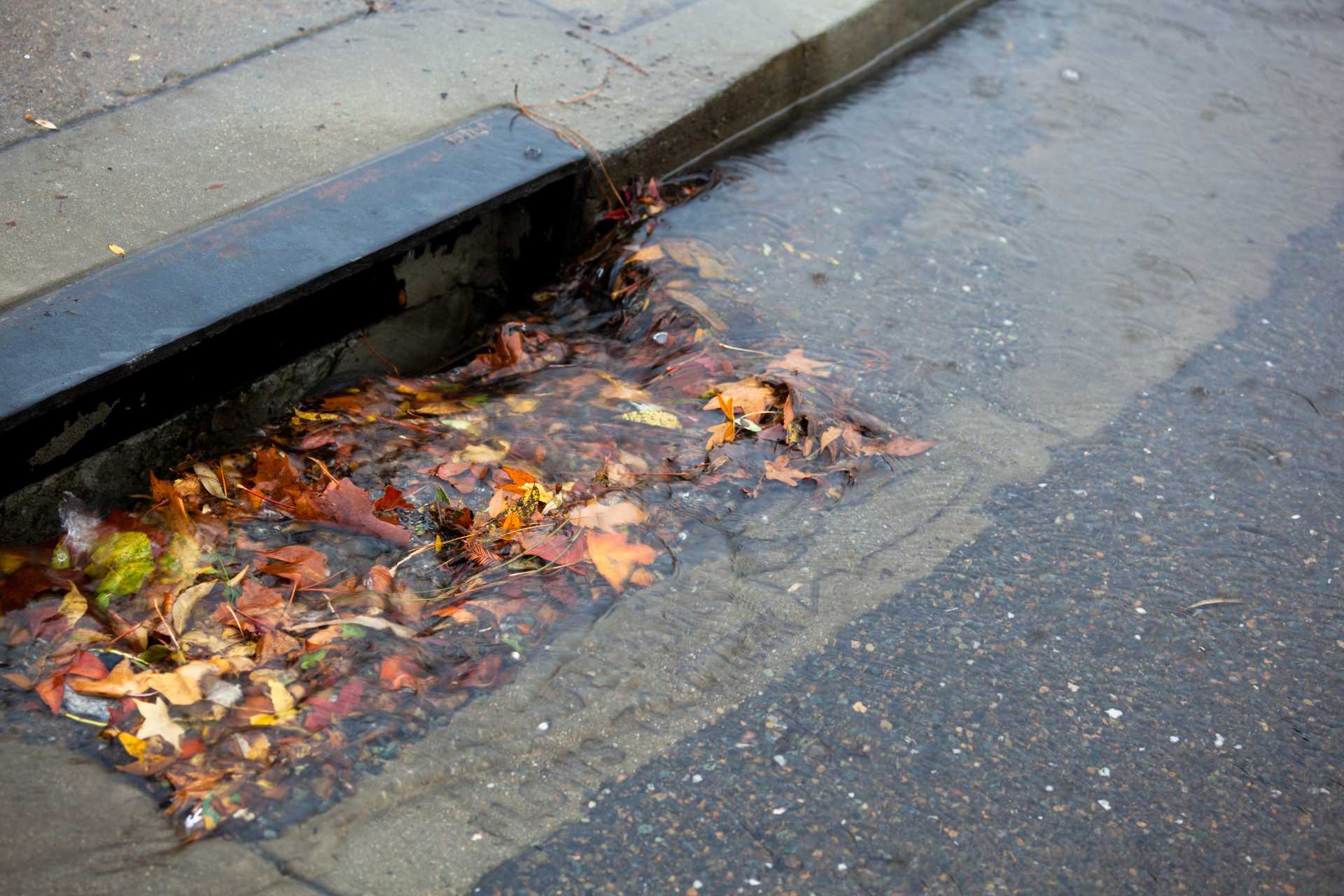
When a catch basin is ignored for years, it stops functioning. The deep concrete barrel underneath the grate becomes packed with dirt, gravel, lawn clippings, and plastic trash. Once the storage sump fills up completely, water has nowhere to go. During the next heavy summer downpour, water reverses course, pools across the asphalt, and floods the surrounding area. For a listing, a blocked storm drain is an absolute disaster that can ruin months of careful marketing preparation.
How Clogged Drains Derail a Home Inspection
The home inspection window is the most volatile phase of a property sale. Buyers are looking for any hidden defect that could cost them thousands of dollars down the road. When a home inspector arrives at a property after a rainfall and discovers a large pool of standing water over the driveway grate, they will instantly investigate the root cause. A backed-up catch basin sends immediate red flags through an inspection report.
If an inspector notes that a catch basin is full to the brim with sludge, they will also look for secondary structural damage. Continuous standing water saturates the sub-base beneath the surrounding asphalt, causing the driveway to crack, sink, and cave in. Even worse, if the water cannot drain away from the house, it pools against the foundation walls. This creates immense hydrostatic pressure, which pushes water straight through concrete basement walls, ruining finished basements and generating toxic mould growth. A buyer reading this type of alarmist inspection report will often panic, invoke their inspection condition, and walk away from the deal entirely.
Salvaging Equity: The Power of Proactive Maintenance
The most effective way to handle a drainage crisis is to ensure it never happens in the first place. When listing agents conduct their initial property walkthrough, they should always inspect the exterior storm grates. If the basin appears clogged or emits a foul, stagnant odour, arranging a professional clearing is the smartest move a seller can make. This small, affordable service removes a major negotiation point from the buyer’s hands.
If a seller addresses catch basin maintenance before the house goes on the market, they protect their hard-earned equity. They prevent a buyer from demanding a massive, inflated five-figure credit at the closing table for “suspected structural water damage.” Instead, the seller can present a clean bill of health and an invoice showing the drainage infrastructure has been professionally vacuumed and flushed out. This transparency builds immense buyer confidence, eliminates a major structural objection before it can form, and proves the property has been meticulously maintained.
Climate Risk Disclosures: The New Era of Property Sales
The landscape of Canadian real estate transactions underwent a massive legal shift heading into 2026. Buyers and insurance companies now demand explicit climate risk disclosures before any property transfer occurs. Because heavy localized downpours have become more frequent, structural water management is now a primary legal liability for home sellers. If a property has a known history of pooling water, you must declare it on the Property Condition Disclosure Statement.
Failing to mention a neglected, clogged storm drain can land a seller in expensive post-sale litigation. If the system backs up and floods the driveway or garage right after the new owner moves in, the buyer can sue for hidden structural defects. Booking a professional drainage clearance creates an official paper trail of responsible property maintenance. By documenting this service, you protect yourself from future legal claims, satisfy modern buyer transparency demands, and guarantee a clean, worry-free structural handoff.
Securing the Deal and Preserving Smooth Closings
In a competitive housing market, transactions rely heavily on speed, trust, and clarity. Unaddressed drainage liabilities destroy deals, stall bank financing, and create long-term legal battles between buyers and sellers over hidden defects. By treating the catch basin as a vital part of a home’s structural envelope, property professionals keep transactions running smoothly. Taking care of the ground beneath your feet ensures that your property transitions seamlessly to the next owner, completely free from hidden liabilities.